News | Posted April 30, 2026
Local Place Plans in Shetland: how communities are shaping the future of their areas
Across Shetland, conversations about the future are happening in familiar places: community halls, Sunday teas, bakery mornings and local events. Communities are beginning to set out their own ideas and vision for the future of their local areas
Introduced through the Planning (Scotland) Act 2019, Local Place Plans give communities a formal route to propose ideas for how land should be used and developed in their area. Once registered, proposals must be taken into account by the Council for possible inclusion in their new Local Development Plan. For local communities, where change can have a lasting impact, that influence matters.
Funding secured by Shetland Islands Council from the UK government is supporting a capacity building programme led by Planning Aid Scotland. The aim is to give communities the knowledge and support needed to prepare their own Local Place Plans.
Making sense of planning
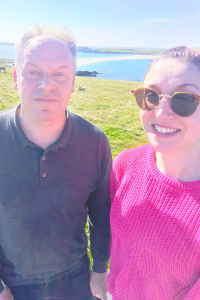
David, Planning and Policy Manager, and Erin, former Planning Aid Scotland staff member, during our first visit to Shetland
The programme began in September 2024 with a series of in-person events across Shetland. Delivered by Planning Aid Scotland alongside Shetland Islands Council, these sessions introduced Local Place Plans and brought together people from different communities.
Planning Aid Scotland also worked closely with the Council’s Community Development team to provide additional information and support to groups.
For many of the local groups, this was their first time engaging with the planning system to prepare their own plan, while others had previous experience through Community Action Plans and similar work. Questions were practical: Where do we start? Who needs to be involved? What does a plan actually look like? What real benefits will a Local Place Plan bring?
An online session followed in January 2025, making sure people who could not attend in person could still take part. Across both formats, it became clear that interest was there, but people needed support to move forward.
Shaped by what communities asked for
After the initial events, a survey was shared in both paper and online formats to understand what support would be most useful. The responses directly shaped the programme. Rather than setting a fixed structure, the content developed around what communities said they needed help with. This led to a mix of training, one-to-one mentoring and group sessions, all designed around the realities of Shetland’s communities.
A dedicated newsletter for the capacity building programme has been established, with monthly updates, event reminders and other communications. We have issued over 30 newsletters and reminders to date.
Skills for getting started
10 online training sessions have been delivered so far, covering topics such as:
- organising and project-managing a Local Place Plan
- involving people in shaping ideas
- facilitation skills for running community events
- using tools like Placecheck and Community Map Scotland
- creative engagement techniques
- reviewing and prioritising feedback
- understanding how climate change may affect local decisions
The sessions focus on what communities can do themselves, from running engagement activities to turning ideas into clear proposals.
How Local Place Plans might address the climate emergency has been a central part of this work. Climate guidance has been offered by Highlands & Islands Climate Hub, alongside local partners. Local Place Plans need to take planning policy into account, with National Planning Framework 4 (NPF4) placing climate action as its key priority.
A dedicated workshop on Local Place Plans and climate change, co-delivered by the Climate Change Officer at Shetland Islands Council, Planning Aid Scotland and the Community Development Officer at Highlands & Islands Climate Hub, focused on Shetland-specific resources, outlined current and future climate impacts, and explored how Local Place Plans can support communities respond to climate-related challenges.
Learning together

Alongside the training, Learning Get-Togethers have created space for communities to learn from each other.
Groups at different stages of their plans have shared what has worked, what has been difficult, and what they are trying next. This has helped build confidence and reduce the sense of starting from scratch.
Taking it back to the islands
-
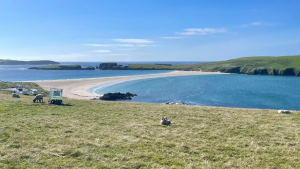
- Shetland – St Ninian’s Isle, just near Bigton, where a sandy strip connects the island to the mainland
-
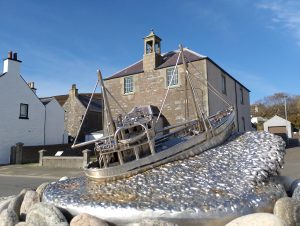
- A memorial in Scalloway commemorating the Shetland Bus
-
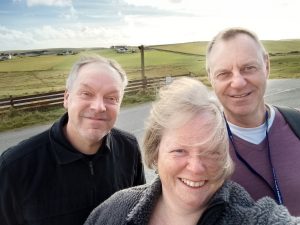
- Planning Aid Scotland’s David and Diane with Peter from Shetland Islands Council
The team visited Shetland twice during the programme, in September 2024 and again in September 2025. We will be back this May offering one-to-one mentoring sessions and supporting new groups who are just getting started with their Local Place Plans.
Throughout the programme Shetland Islands Council provided invaluable support, contributing to a number of meetings, visits and workshops, including hosting an earlier session in April 2025.
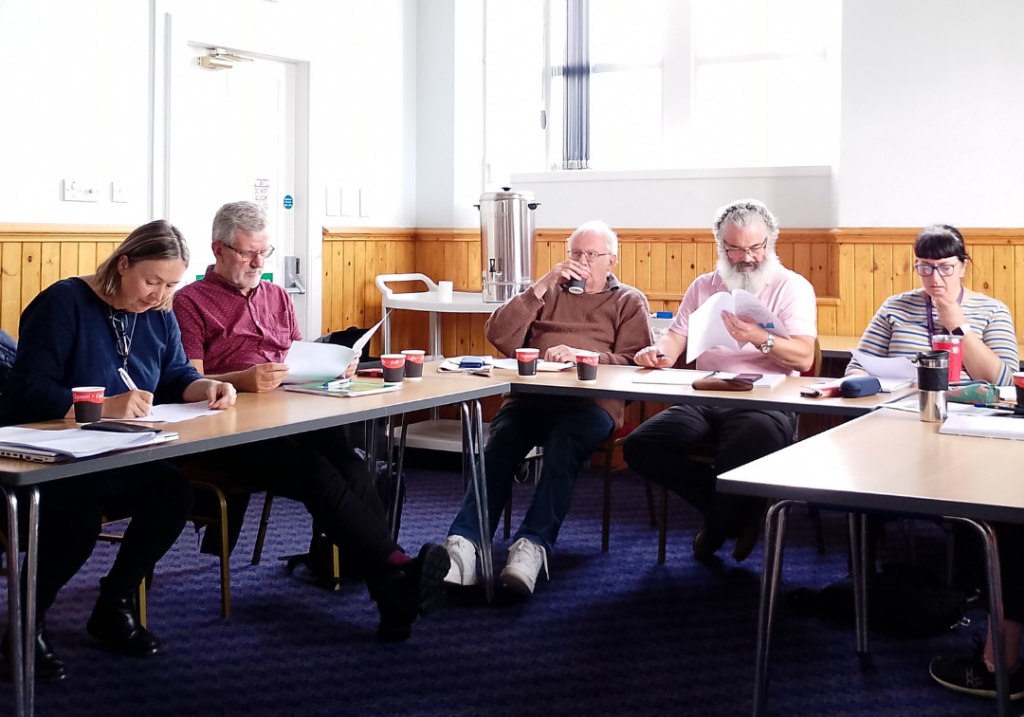
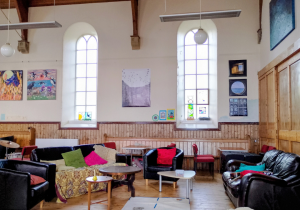
Autumn Workshop at the Islesburgh Community Centre in Lerwick
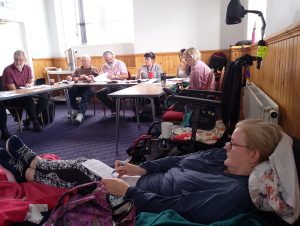
The second visit focused on practical support. At a full-day workshop in Lerwick’s Islesburgh Community Centre, community groups worked through the process together. A mock Local Place Plan presented by the Council helped show what a completed plan could look like in a Shetland context. Small group discussions allowed people to test ideas, think about timelines and identify any gaps.
What the project looks like in practice
-
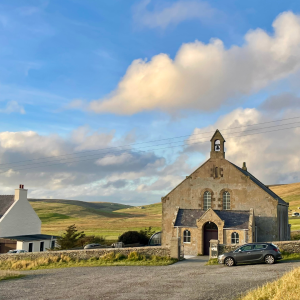
- Hymhus Community Hub in Bigton, where local residents come together for Saturday bakery treats and coffee
-
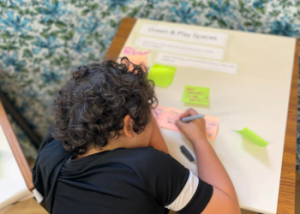
- Bigton community engagement event
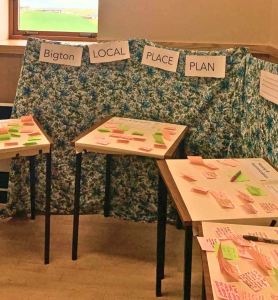
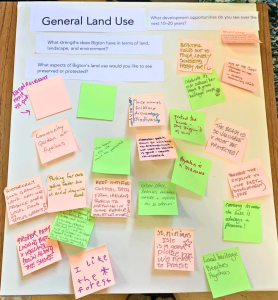
In Bigton, community engagement has been built into everyday activities. Events held in November 2025 brought together around 130 people. Feedback was gathered using colour-coded post-it notes, helping to capture a broad range of perspectives, including children and young people.
In North Yell, earlier community planning is being taken forward through new conversations with stakeholders, including local landowners. Together, these have informed a set of draft proposals for how land could be used and developed.
In Sandwick, a world cafe-style event brought people together around large maps to discuss ideas, with further engagement planned with local businesses. They also ran an event focused on how their Local Place Plan could address the climate emergency.
In Sandness, engagement includes surveys, mapping exercises and one-to-one conversations, linked to a wider community development plan. They also co-facilitated an event with the Council to engage local landowners.

Lerwick Commercial Street
Lerwick Community Council is making strong progress on their Local Place Plan, covering the whole ward area. New members have quickly engaged residents using Placecheck and a well-attended drop-in at Islesburgh Community Centre. We look forward to seeing these ideas develop into a shared vision for Lerwick.
Responding to island challenges
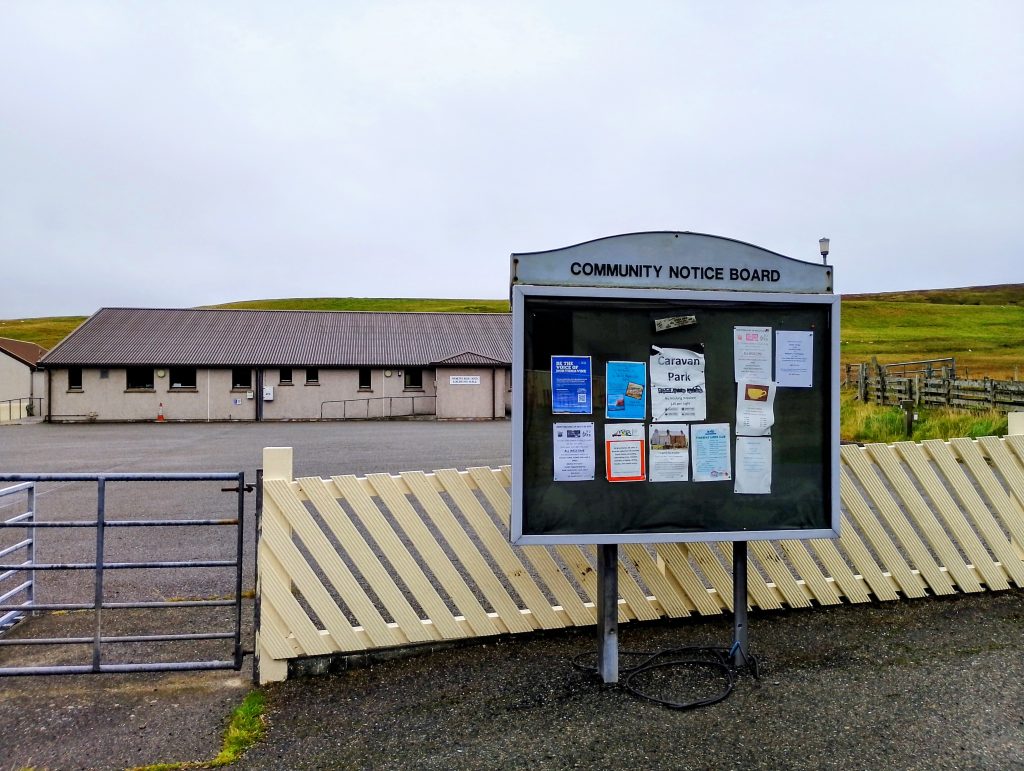
For island communities, planning decisions can have a strong and lasting impact. Housing, transport, access to services, and the effects of climate change all play out differently in places like Shetland.
The programme has included specific support on climate change, with sessions led by local partners. These explored how communities can factor climate considerations into their plans and respond to future challenges.
Alongside this, the “Our Place, Your Say” Shetland-wide Place Standard engagement process, led by the Council, gathered input from 947 people and more than 21,000 comments, giving communities a detailed picture of local priorities.
A Place in Childhood, a charity specialising in engagement with children and young people, has also been working in Shetland to gather children and young people’s views about their places, which communities can use to inform their plans.
Ongoing support
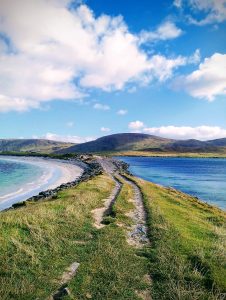
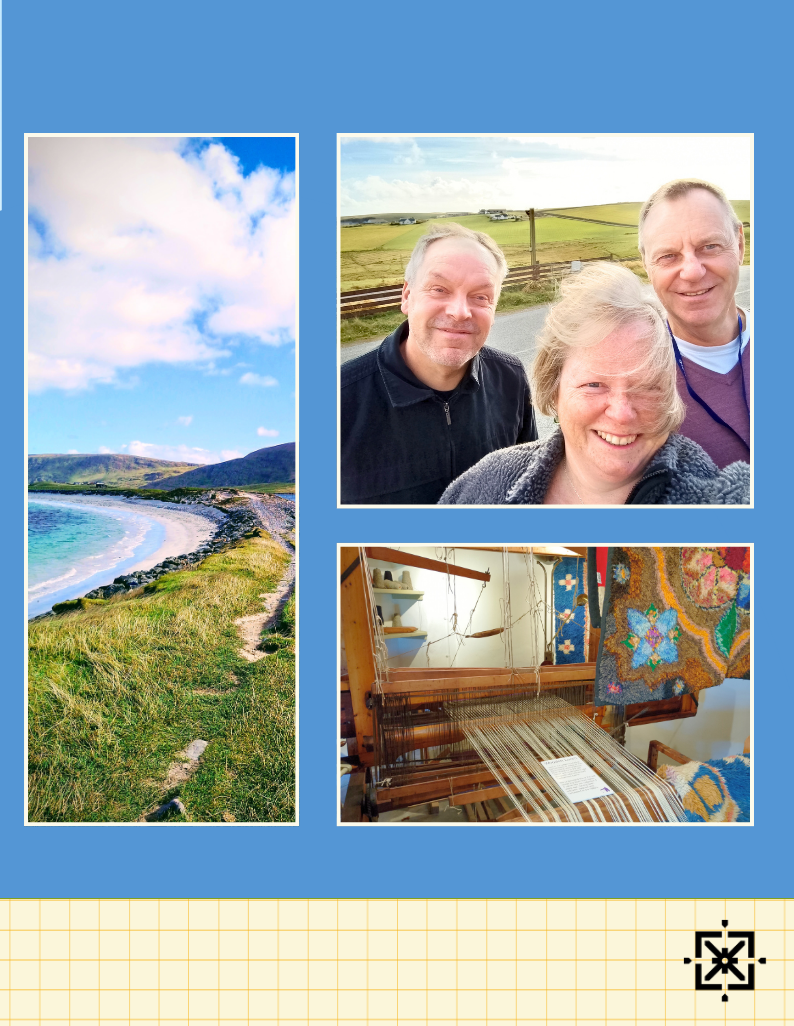
Shetland by our Projects and Training Officer Diane Cassidy
Communities have been offered support beyond training sessions, including pre-submission checks to help ensure plans meet council requirements.
Volunteers from Planning Aid Scotland are also supporting work such as analysing engagement data, developing maps, and linking proposals to planning policy.
Local Place Plans must be submitted to the Council by 31 October 2026 for review and registration. If changes are requested, revised plans must be submitted by 30 November, allowing at least six months from expression of intent to final submission.
A different starting point
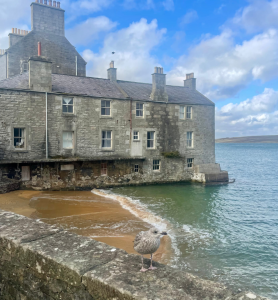
Local Place Plans shift where planning begins.
Instead of starting with proposals and asking communities to respond, they begin with communities setting out what matters to them.
In Shetland, that work is already underway, shaped by local knowledge, priorities and conversations happening on the ground. The programme continues as more communities decide how, and whether, to take that next step.