News  |  Posted November 8, 2026

World Town Planning Day Photography Competition

To mark World Town Planning Day, held annually on 8 November, we ran a photography competition for our volunteers and network members

The competition was inspired by our very own Planning Adviser, Austin Cooke, who has run a similar competition with his family over the years.

We asked for photographs of places that show good planning, whether that’s a town, city or rural area, in Scotland or abroad. Entries could capture a whole area, a single building or a vibrant community space.

The theme for this year’s World Town Planning Day (WTPD) was ‘Great communities are built on planning’, so we especially enjoyed seeing places grounded in local knowledge that meet the needs of their communities.

Volunteers and network members who submitted a photograph were entered into a prize draw, with a winner randomly selected to win a £50 One4all gift voucher.

And the winner is…

We are delighted to announce that the winner is… Avgusta Chiriaeva, with their photograph of Dresden, Germany
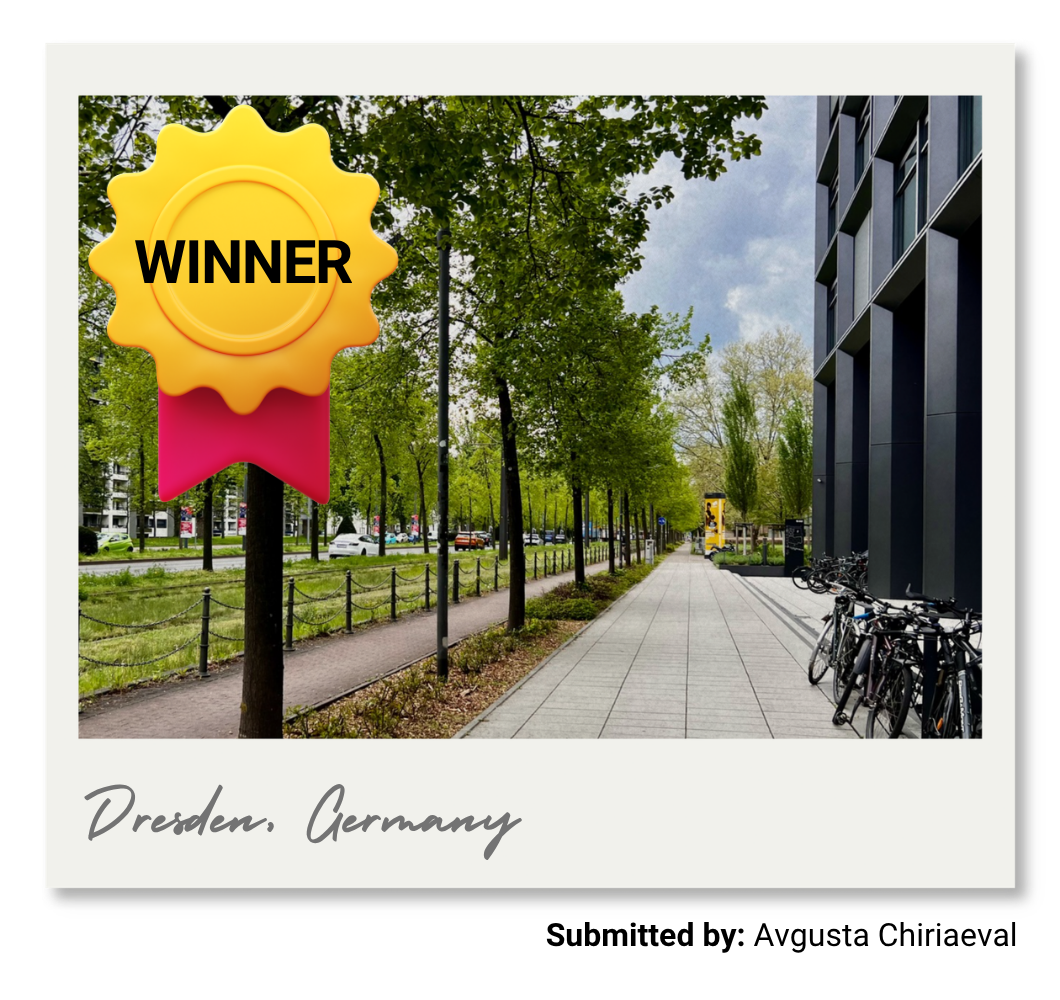
“This represents what’s very important for a city nowadays – greenery, public transport and cooling. As cities get hotter, it’s crucial to identify heaters and coolers of the space. In this example we see roads for vehicles, tram lines with cooling grass and tree alleys, cycling lanes and pedestrian pathways.”

Well done Avgusta, and thank you to everyone who took part! You can see some of the other entries below.
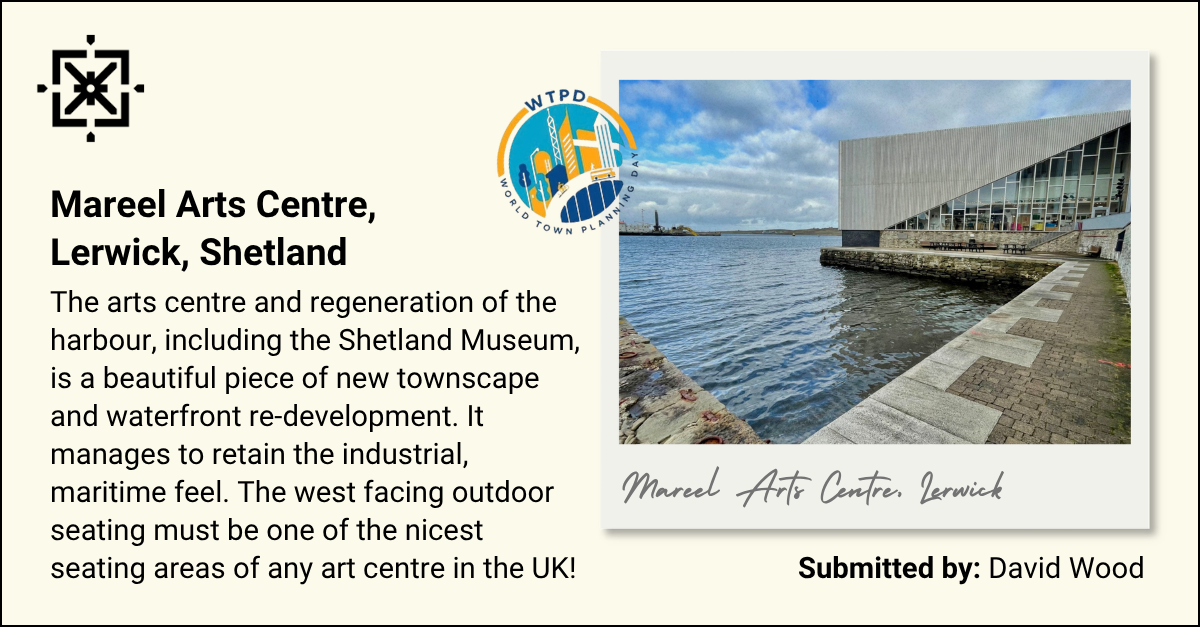
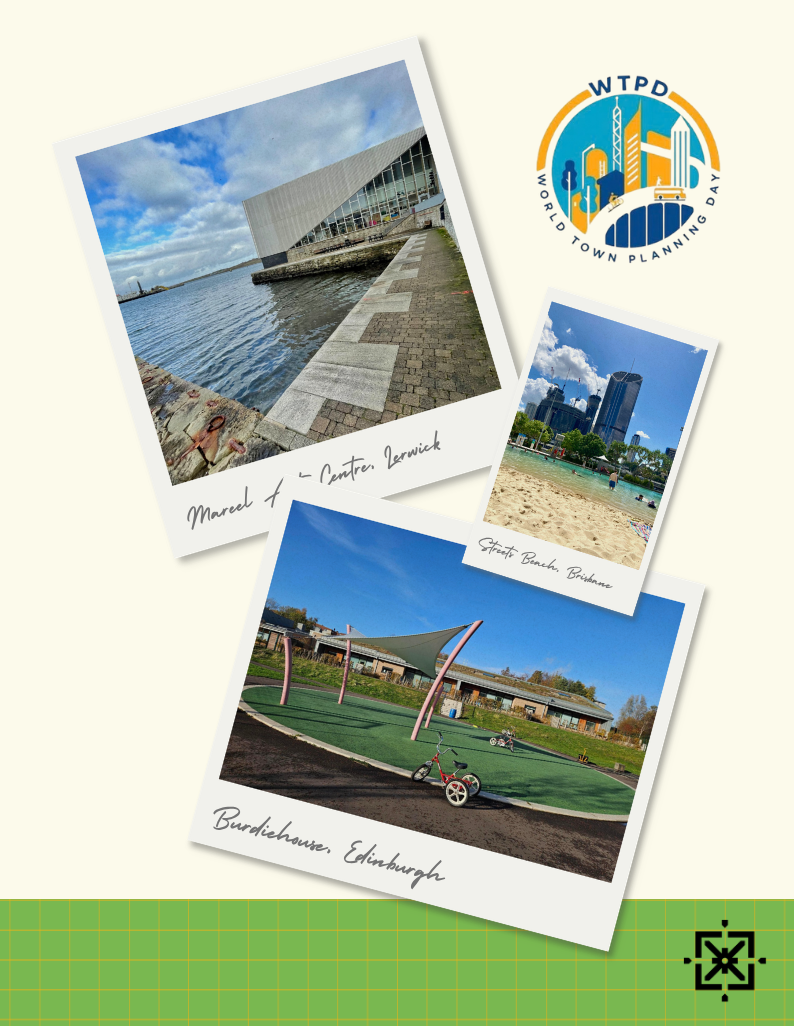
The arts centre and regeneration of the harbour, including the Shetland Museum, is a beautiful piece of new townscape and waterfront re-development. It manages to retain the industrial, maritime feel. The west facing outdoor seating has to be one of the nicest places in the UK to sit!

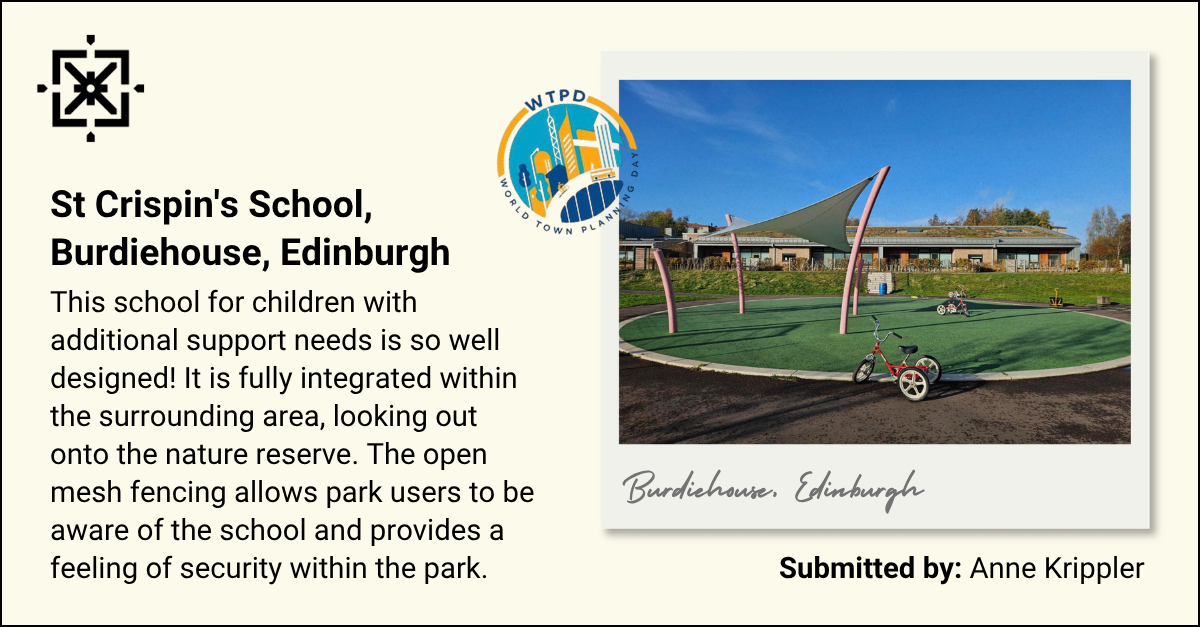
This school for children with additional support needs is so well designed! It is fully integrated within the surrounding area, looking out onto the nature reserve. The open mesh fencing allows park users to be aware of the school and provides a feeling of security within the park.

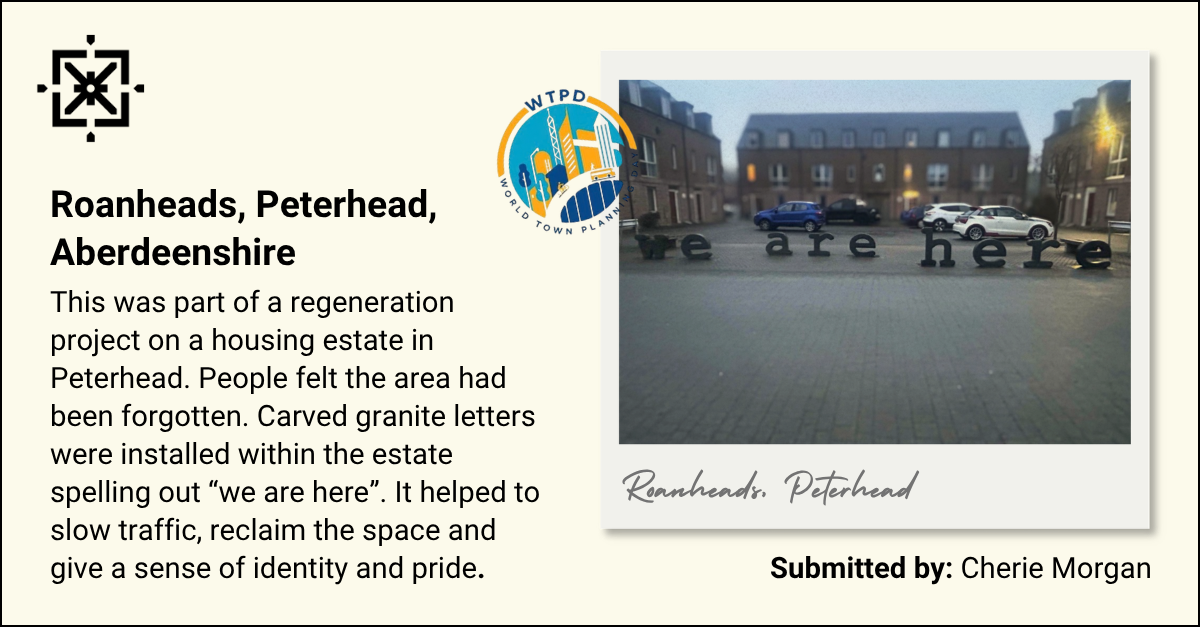
This was part of a regeneration project on a housing estate in Peterhead. People felt the area had been forgotten. Carved granite letters were installed within the estate spelling out “we are here”. It helped to slow traffic, reclaim the space and give a sense of identity and pride.
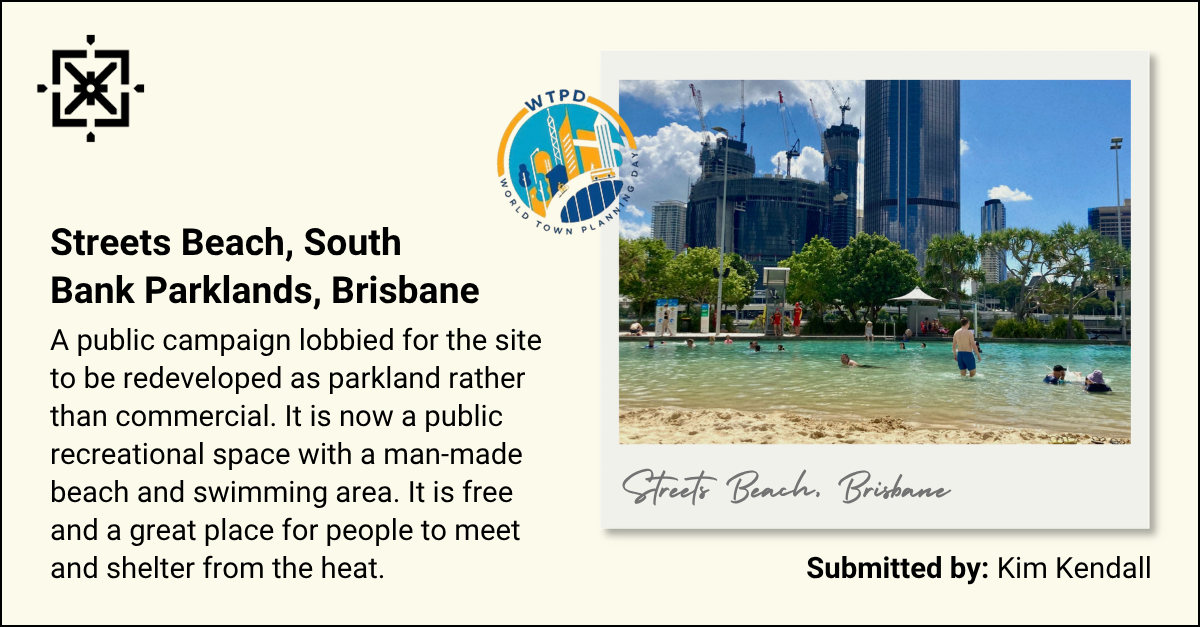
A public campaign lobbied for the site to be redeveloped as parkland rather than commercial. It is now a public recreational space with a man-made beach and swimming area. It is free and a great place for people to meet and shelter from the heat.

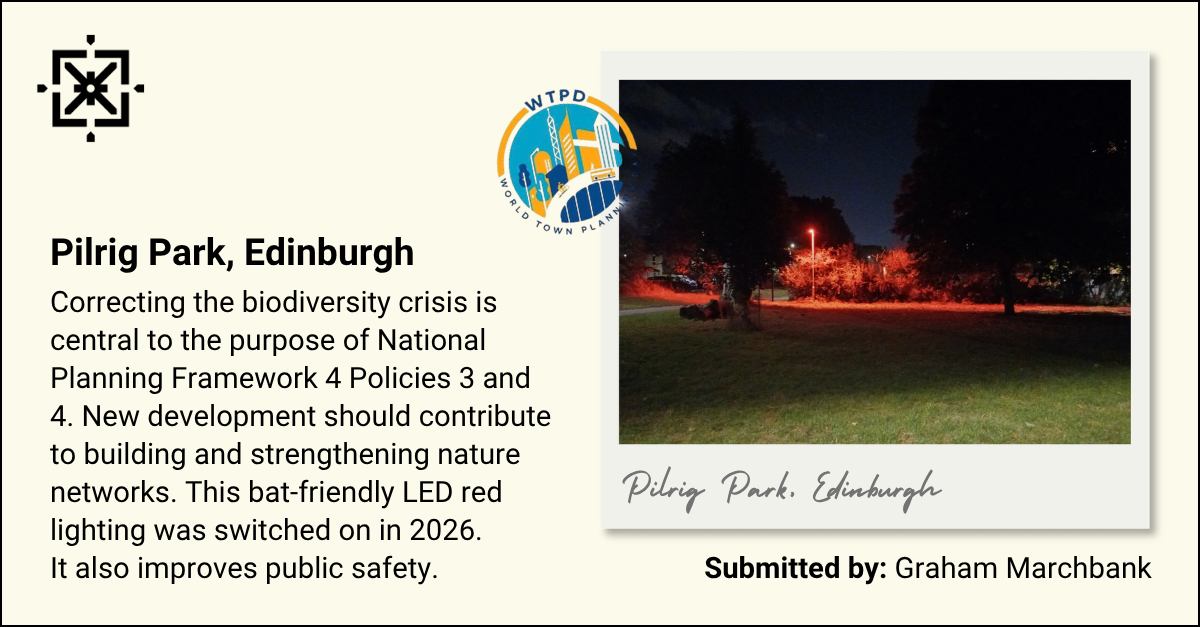
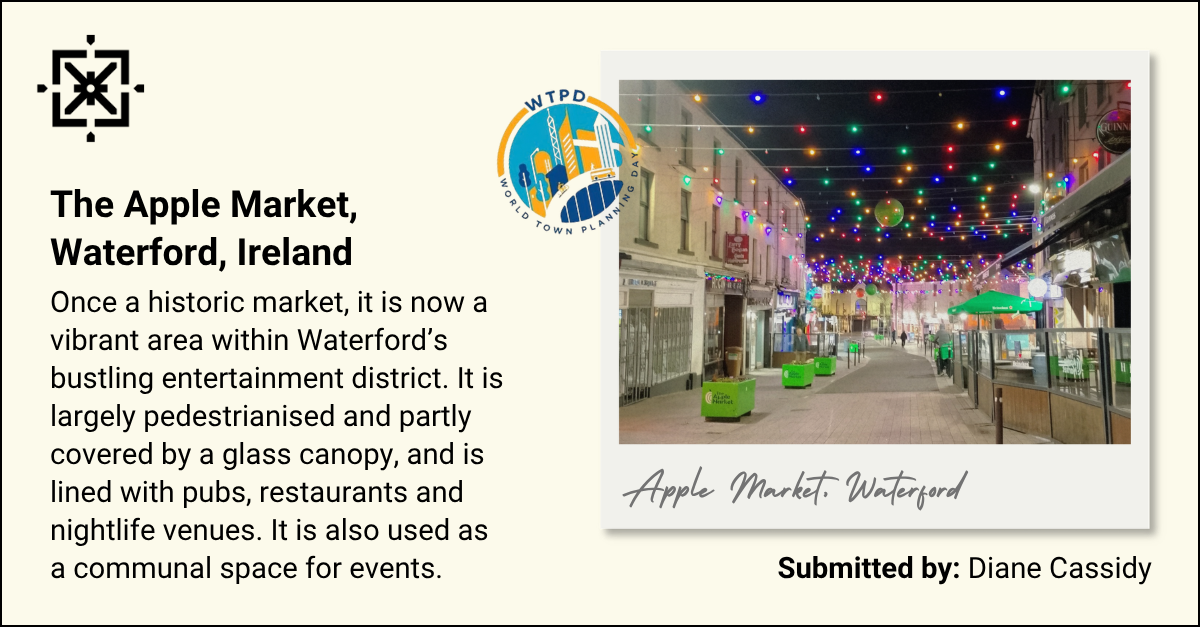
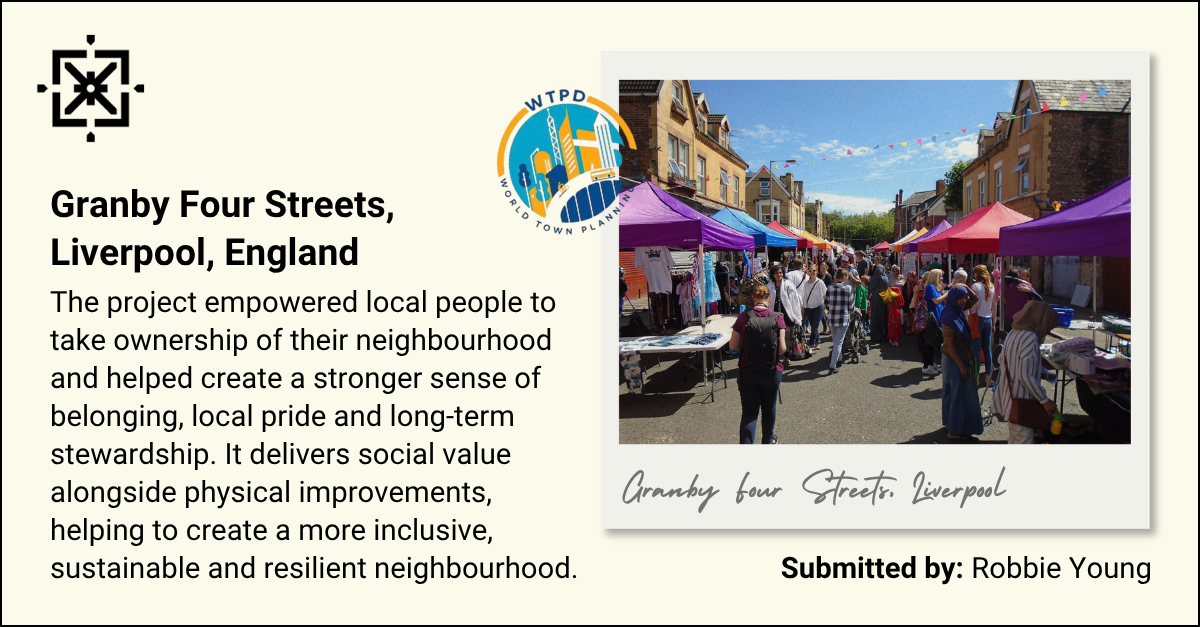
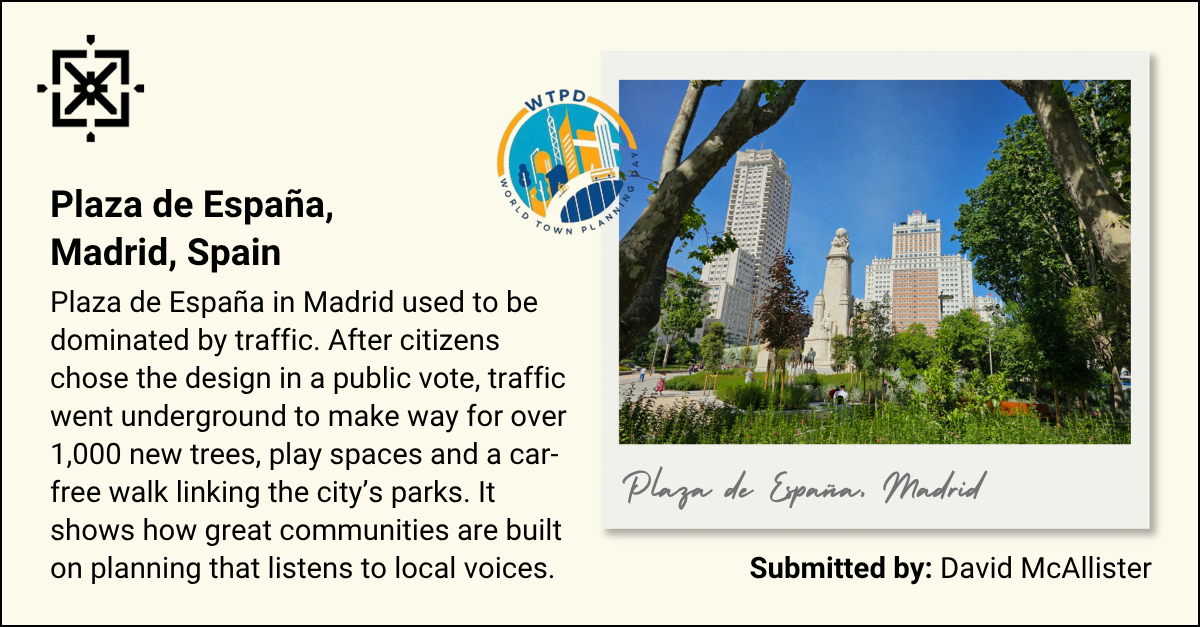
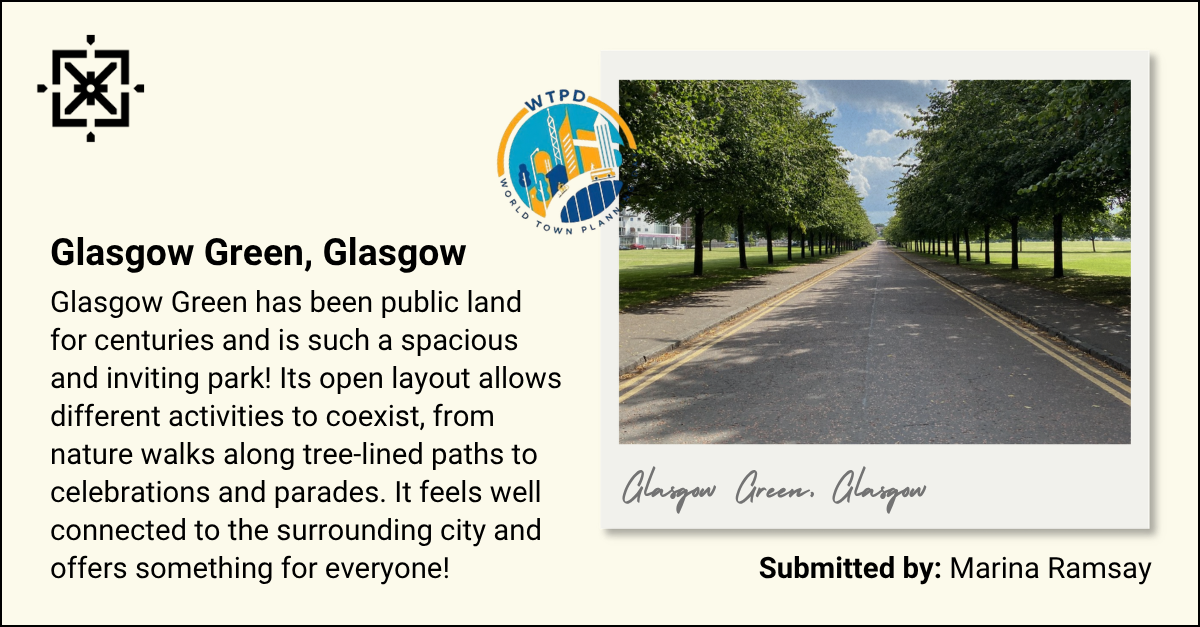
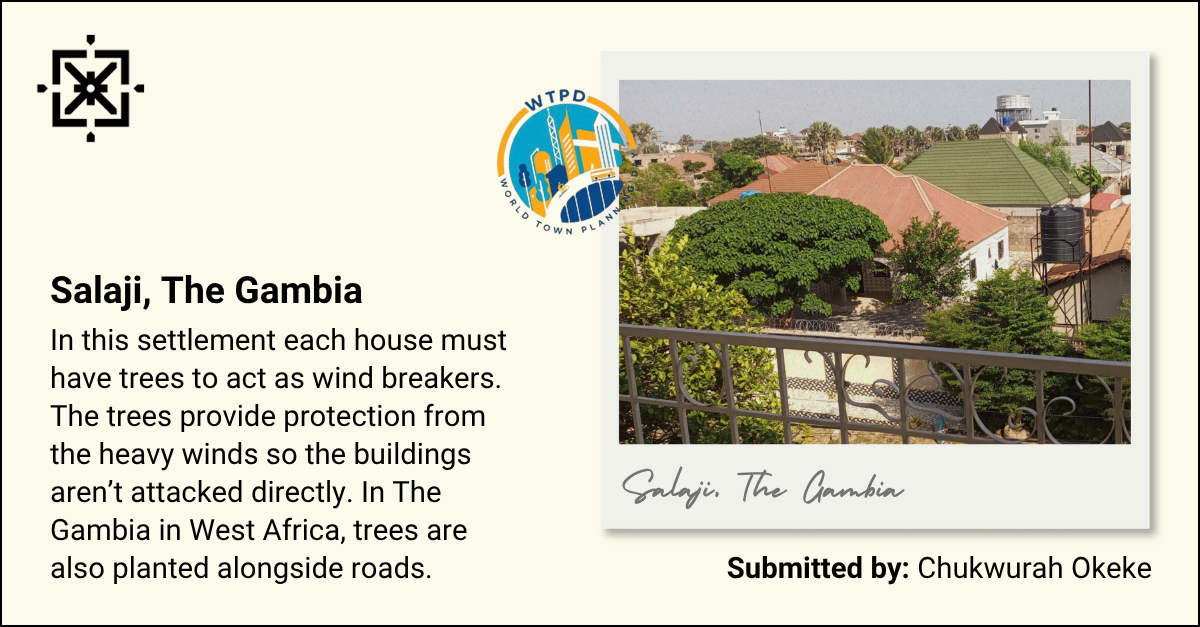
Correcting the biodiversity crisis is central to the purpose of National Planning Framework 4 Policies 3 and 4. New development should contribute to building and strengthening nature networks. This bat-friendly LED red lighting was switched on in 2026. It also improves public safety.Once a historic market, it is now a vibrant area within Waterford’s bustling entertainment district. It is largely pedestrianised and partly covered by a glass canopy, and is lined with pubs, restaurants and nightlife venues. It is also used as a communal space for events.The project empowered local people to take ownership of their neighbourhood and helped create a stronger sense of belonging, local pride and long-term stewardship. It delivers social value alongside physical improvements, helping to create a more inclusive, sustainable and resilient neighbourhood.Plaza de España in Madrid used to be dominated by traffic. After citizens chose the design in a public vote, traffic went underground to make way for over 1,000 new trees, play spaces and a car-free walk linking the city’s parks. It shows how great communities are built on planning that listens to local voices.Glasgow Green has been public land for centuries and is such a spacious and inviting park! Its open layout allows different activities to coexist, from nature walks along tree-lined paths to celebrations and parades. It feels well connected to the surrounding city and offers something for everyone!In this settlement each house must have trees to act as wind breakers. The trees provide protection from the heavy winds so the buildings aren’t attacked directly. In The Gambia in West Africa, trees are also planted alongside roads.